How to Plan a Board Game Night That Starts on Time
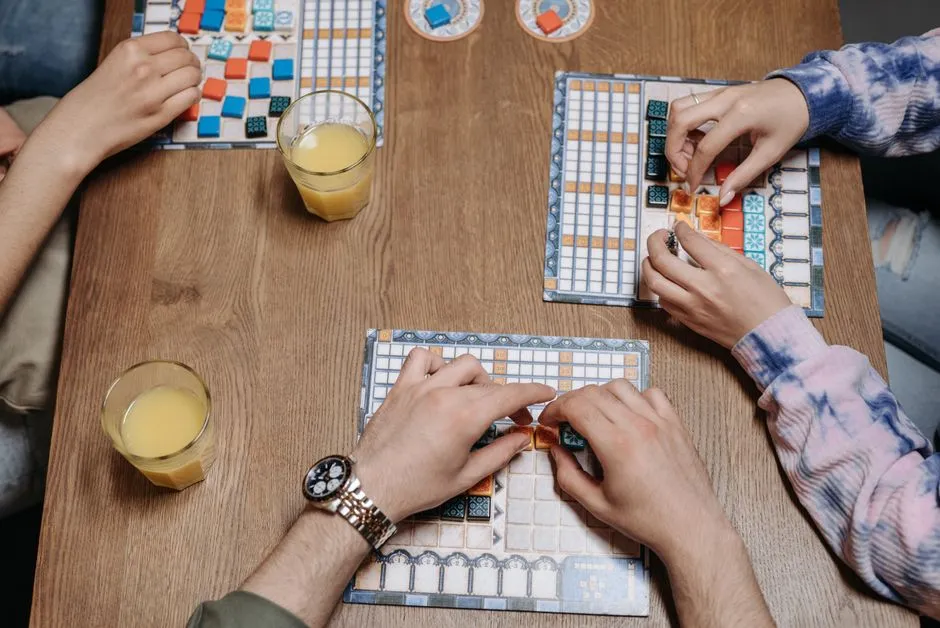
Match one game to the group before anyone arrives
To plan a board game night, confirm the guest list, available time, accessibility needs, and appetite for rules before choosing the main game. Send the start and finish window, prepare the game in advance, keep food away from components, and have one shorter backup ready. The goal is not maximum cardboard per square foot. It is getting people into a game they can enjoy.
The checklists in game-night planning begin with the group rather than the shelf.
Ask four useful questions in the invitation
Tell guests:
- when play is expected to start and end;
- who is attending and how many seats remain;
- whether the session is relaxed, competitive, cooperative, or undecided;
- what access, sensory, dietary, or scheduling needs they want the host to know.
Avoid promising an exact finish when a game has variable length. Give a realistic window based on the edition, player count, setup, teaching, and the group’s pace. Check the current box and official rules rather than trusting a memory from a different version.
Pick a main game and one backup
Choose a main game that supports the confirmed player count and fits comfortably inside the evening after setup, teaching, breaks, and cleanup. A four-hour window is not automatically a four-hour game window; humans occasionally require doors, chairs, and conversation.
The backup should be shorter and easier to teach. It covers a late arrival, missing player, faster-than-expected finish, or a main game that simply does not suit the room’s mood.
Do not schedule three “main” games. That is a festival program wearing a casual-night hat.
Learn the teach before teaching
Read the rules and set up a sample turn beforehand. Prepare a short explanation in this order:
- the objective;
- what happens on a turn;
- how the game ends;
- how scoring or victory is determined;
- the few exceptions players need immediately.
Show components while explaining them. Let new players begin with enough information to make a legal first turn, then introduce rare cases when they appear. If the game provides a teaching guide or player aid, use it.
Record confusing rules after the session in a board game session log so the next explanation improves instead of becoming the same fog with fresher snacks.
Prepare the table, food, and room
Clear enough space for the board, player areas, shared components, drinks, and mobility around the table. Check lighting, chair comfort, temperature, and glare. Keep drinks in stable containers and snacks on a separate surface when practical.
Ask about dietary needs rather than guessing. Wash hands after messy food before handling shared pieces. If children or pets are present, keep small components, sharp pieces, and unsafe foods out of reach and follow the game’s age guidance and household safety needs.
Set out only the components required for the chosen player count. Sort decks, tokens, and starting pieces in advance, but avoid secretly arranging anything that rules require players to randomize or choose.
Start with agreements, not a speech
At the table, confirm the expected end time, break plan, rules source, and how the group will handle take-backs or rules mistakes. A thirty-second agreement prevents an impressive amount of midgame constitutional law.
Welcome questions and let anyone step away. Competition does not require hostility, and a cooperative game does not grant one player ownership of everyone else’s turn.
More reflections and repeat-play notes live in play logs.
End while cleanup still has friends
Photograph the final state only with everyone’s permission, then count and store components according to the game instructions. Note missing or damaged pieces without assigning blame in the group chat.
Ask three quick questions: What worked? What dragged? Would we play again with this group and time window? Save the answers, return borrowed games promptly, and stop planning the sequel until the table is clear. Future hosts deserve a dining surface too.